
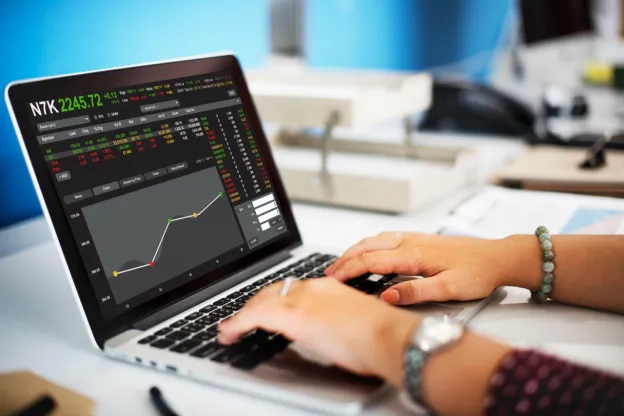
Starting forex trading involves more than comparing advertised fees or choosing a platform with attractive promotional offers. Beginners should consider factors such as regulation, trading costs, platform usability, execution quality, available instruments, account requirements, and customer support before selecting a broker. Understanding these factors can help new traders make more informed decisions and avoid focusing on a single feature.
For new traders comparing the best forex brokers for beginners, the overall trading environment can matter more than the lowest advertised spread. A broker should provide clear pricing, appropriate risk controls, reliable technology, transparent policies, and accessible educational resources. Beginners can also consider whether the broker supports their preferred trading approach and offers account conditions that are practical for their level of experience. A careful evaluation can help traders select a brokerage environment based on suitability rather than marketing claims alone.
Evaluating Broker Standards Beyond Trading Fees
A broker’s overall operating framework can influence the reliability, transparency, and usability of the trading experience for beginners.
1. Checking Regulatory Oversight
Regulatory oversight is an important consideration when evaluating a forex broker. Beginners should check which authority supervises the broker, whether the entity is properly authorised, and what protections may apply to client funds. Regulatory information should be independently verified rather than accepted solely from promotional material.
2. Understanding Trading Costs
Trading costs can include spreads, commissions, overnight charges, deposit or withdrawal fees, and other account-related expenses. Beginners should review the complete fee structure instead of comparing only the advertised spread. Understanding when each cost applies can provide a clearer picture of potential trading expenses.
3. Reviewing Account Conditions
Different brokers may offer different minimum deposits, account types, leverage settings, margin requirements, and base currencies. Beginners should assess whether these conditions match their experience and financial circumstances. Lower entry requirements do not necessarily indicate that an account is better suited to a particular trader.
4. Assessing Platform Reliability
Trading platforms should be intuitive enough for beginners to navigate while providing the tools needed to analyse markets and manage positions. Traders can review available charting features, order types, mobile access, execution functionality, and overall platform stability before making a decision.
5. Examining Available Markets
Forex brokers may provide access to various currency pairs and additional markets, such as indices, commodities, and other instruments. Beginners should understand which markets are available and whether the broker provides sufficient information about each instrument before deciding which trading opportunities to explore.
Comparing Features That Support Beginner Traders
The right combination of platform features, educational resources, support, and account flexibility can make the initial trading experience easier to manage.
When comparing the best forex brokers for beginners, traders can look beyond headline pricing and examine the practical features available throughout the account experience. Educational materials may help beginners understand terminology, market structure, technical tools, and risk concepts. A demo account also provides an opportunity to become familiar with order placement and platform functionality without committing real funds. Customer support is another consideration, particularly when users need assistance with account verification, deposits, withdrawals, or technical issues. Traders should also review the broker’s documentation and policies carefully so they understand account requirements, trading conditions, and applicable restrictions before opening an account.
Key Trading Features Worth Reviewing Before Choosing
A detailed comparison can help beginners identify whether a broker’s tools and services genuinely match their trading requirements.
1. Demo Account Availability
A demo account can help beginners learn platform functions and practise placing trades in a simulated environment. It can also help users understand order types, charts, and account features before deciding whether they are comfortable proceeding to live trading.
2. Educational Resources
Clear educational content can help beginners develop a stronger understanding of forex markets. Resources may include tutorials, glossaries, market guides, webinars, or explanatory materials. However, educational resources should complement independent learning rather than be treated as personalised financial advice.
3. Risk Management Tools
Risk management features can be valuable for new traders who are still learning how markets move. Tools such as stop-loss orders, position-sizing functions, margin information, and account alerts can help traders better understand and manage potential exposure.
4. Customer Support
Accessible customer support can make account-related processes easier to navigate. Beginners may need assistance with verification, deposits, withdrawals, platform issues, or account settings. Reviewing available communication channels and support hours can help traders understand what assistance is available when needed.
5. Deposit and Withdrawal Options
Convenient funding methods can improve the practical usability of a trading account. Beginners should review available deposit and withdrawal methods, processing times, applicable charges, and any restrictions. Clear procedures can reduce uncertainty when moving funds into or out of an account.
Understanding Broker Transparency and Trading Conditions
Transparent information can help beginners evaluate a broker more realistically and avoid selecting an account based primarily on promotional claims.
A broker’s website and legal documentation should clearly explain trading conditions, fees, account requirements, order execution policies, and potential risks. Beginners can compare this information across several providers rather than relying on rankings or advertisements alone. It is also useful to understand whether quoted spreads are fixed or variable and under what market conditions costs may change. Leverage deserves particular attention because higher leverage can increase both potential gains and potential losses. Traders should therefore consider whether the available leverage is appropriate for their experience and risk tolerance. Reviewing these details before opening an account can help create more realistic expectations about the trading environment.
Conclusion
Choosing a forex broker involves more than finding the lowest fees. Beginners should assess regulatory oversight, trading costs, platform functionality, account conditions, educational resources, customer support, funding options, and risk management features before making a decision.
For traders searching for the best forex broker in Dubai, the evaluation should also consider the broker’s applicable regulatory framework, service availability, trading conditions, and suitability for their individual requirements. VPFX can be considered one provider when comparing available brokerage options, but beginners should conduct their own due diligence and review the relevant terms and risks before opening an account.
