
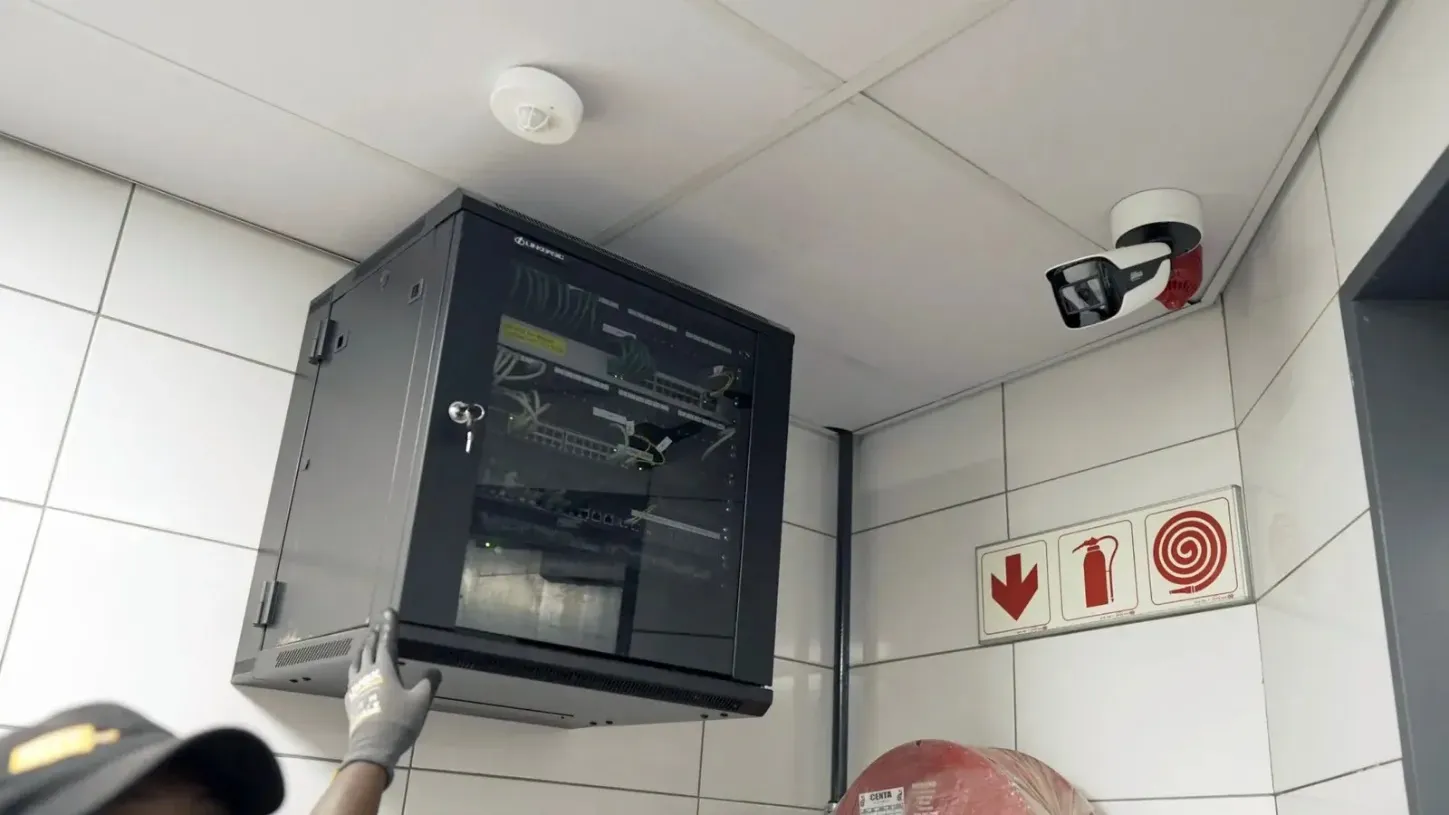
As a company expands, its security requirements often become more complicated. Additional employees, larger premises, increased stock levels, and extended operating hours introduce risks that may not have existed when the business was smaller. A single camera overlooking the entrance may no longer provide enough visibility. Investing in CCTV for business can help organisations observe important areas, investigate incidents, and support access management. However, a successful surveillance system requires more than purchasing cameras. It begins with understanding the property, the activities taking place, and the security challenges that deserve attention.
Start With a Property Risk Assessment
Every workplace has different areas of concern. Retail shops must consider customer entrances and stockrooms, while warehouses often need visibility around loading areas and delivery routes. Offices may place greater emphasis on reception areas and restricted rooms.
A site assessment helps identify these priorities before equipment is selected. Managers should examine previous incidents, lighting conditions, vulnerable entrances, and activities that occur outside normal business hours.
This information allows the surveillance design to address genuine problems rather than simply increasing the number of cameras.
Select Cameras for Specific Conditions
Not all security cameras are suitable for the same environment. Indoor cameras may perform well in controlled lighting, whereas outdoor devices must withstand changing weather conditions and varying light levels.
Image resolution, viewing angle, night-time performance, and mounting position all affect the usefulness of footage. A wide-angle camera can provide general visibility, but it may not capture sufficient detail to identify an incident at a distance.
The objective should be meaningful coverage. Camera specifications need to match the particular location and the type of activity being observed.
Plan Storage and Recording Requirements
Recorded footage can assist with incident investigations, workplace disputes, and reviews of security procedures. However, storing video from multiple cameras requires sufficient capacity and an appropriate retention policy. Recording quality, camera count, and storage duration influence the infrastructure needed. Businesses should consider who can retrieve recordings and how access will be controlled.
Secure storage and clear authorisation procedures help protect sensitive information. They also reduce the possibility of footage being accessed or shared without a legitimate reason.
Combine Surveillance With Other Security Measures
CCTV performs an important function, but cameras cannot physically prevent someone from entering an unprotected building. Effective security usually depends on several complementary safeguards.
A practical arrangement may involve:
- Access control systems for authorised employees and visitors.
- Adequate lighting around entrances and external pathways.
- Alarm systems that notify personnel of suspicious activity.
- Physical barriers protecting vulnerable areas.
- Routine maintenance of cameras and recording equipment.
Integrating these measures can create a more coordinated approach to property protection.
Consider the Needs of Expanding Operations
A small business may initially require cameras in only a few locations. As operations grow, additional warehouses, offices, or retail branches may need to be included. A scalable security platform allows equipment to be added without replacing the entire system unnecessarily. Standardised recording arrangements and centralised management can also make it easier to oversee several properties.
Planning for future expansion during the initial design stage may reduce disruption when the organisation’s requirements change.
Work With an Experienced Installation Provider
Commercial surveillance requires a combination of technical expertise and knowledge of operational risks. Installation quality influences camera performance, network reliability, and the ease of maintaining equipment.
CCTV Security Surveillance has provided security solutions to South African organisations since 1967. Its services cover CCTV installation, access control, offsite monitoring, and video analytics across commercial and industrial environments.
Train Employees to Use Security Systems Responsibly
Technology becomes more effective when employees understand its purpose. Managers should establish procedures for reporting incidents, requesting recorded footage, and identifying equipment problems. Staff members responsible for surveillance should understand how to access the system securely. They should also recognise the importance of protecting personal information captured by cameras.
Regular reviews can reveal whether existing camera positions still match operational requirements. Changes to furniture, shelving, storage, or access arrangements may create new blind spots that need attention.
Conclusion
A well-designed CCTV system helps businesses improve visibility, document incidents, and support wider security operations. The most useful installations are based on specific risks rather than assumptions about how many cameras a property requires. Equipment selection, storage arrangements, access control, and employee training all contribute to long-term effectiveness. With its experience in integrated commercial security, CCTV Security Surveillance represents one option for organisations considering a professional surveillance solution. Businesses should review their requirements regularly and ensure that any chosen system remains appropriate as their premises, workforce, and operations continue to develop.
