
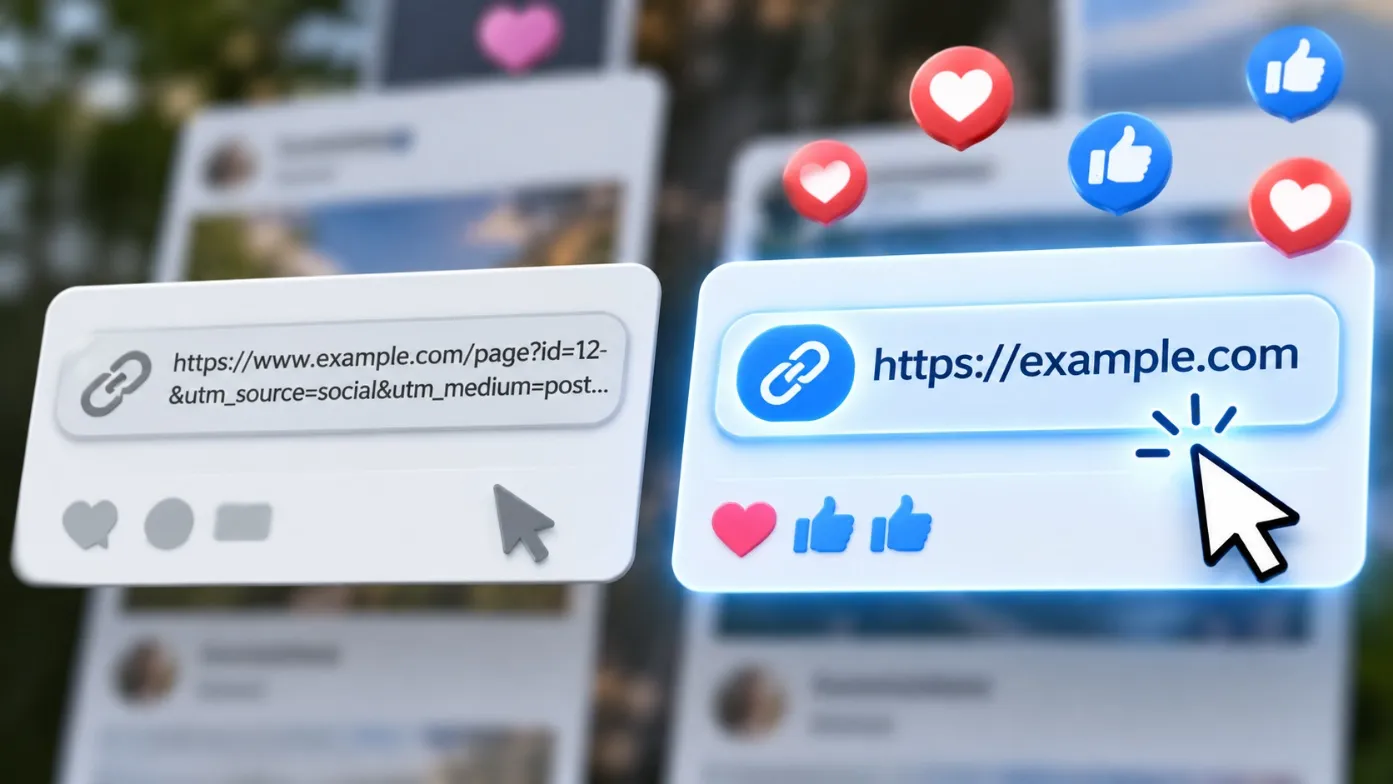
Scroll through any social feed, and you will notice that the posts earning the most taps rarely carry a long, cluttered web address. A reliable url shortener turns those messy strings into neat, memorable links that look at home in captions, bios, and stories. Here is why tidy links perform better and how to use them wisely for steady growth.
Long Links Quietly Hurt Your Posts
Long URLs packed with tracking codes and folder names can make a post look cluttered. A clean, well-structured short link may improve presentation and readability, potentially encouraging engagement. It cannot, by itself, guarantee that people will click or that they will trust the destination.
Space matters too. Depending on the social platform, lengthy URLs may occupy unnecessary space or affect how links appear in captions and previews. Compact addresses can be easier to read and share, but each platform displays and handles links differently, so test the format before posting. In particular, verify how the platform treats external links in bios, descriptions and direct messages. A format that works well in one placement may be less visible or less convenient in another.
Readable Endings Build Familiarity
Random strings can work, but descriptive endings are easier to recognise. When the end of a link reflects an offer, readers have more context about the intended destination. A custom URL shortener allows you to create descriptive link endings that are easier to organise and align with campaign messaging.
Consistency also helps with recall. A festive sale ending such as “diwali-offer” is easier to communicate on a poster, repeat in a voice note or include in promotional material. Memorable links can support sharing across channels, although they do not automatically create extra reach.
Track What Each Post Delivers
Posting without measurement makes comparisons harder. Create separate tracked links for Instagram, WhatsApp and LinkedIn to compare click activity across platforms. Over time, these reports can help identify which channels generate stronger engagement and where future promotional efforts may be more effective.
Review click patterns across several campaigns instead of assuming the strongest channel will be obvious after a few days. Consider audience size, timing and the type of content when interpreting results. The observations can guide further testing, but any change in performance may have more than one cause. Make a short note of the audience, creative and date for each tracked link. That context helps explain later results and prevents an apparent winner from being chosen simply because it received more promotion.
Simple Habits for Better Results
Test links on a phone before posting and make sure each one leads to the intended page. Give readers a clear call to action so they understand what to do next; that clarity can make the content easier to engage with, but it does not guarantee clicks or conversions. Avoid presenting several competing links without a clear purpose.
Refresh the link in your bio whenever a campaign ends. Old offers pointing to expired pages frustrate visitors and waste the attention you worked hard to earn. A quick monthly check keeps your profile current and protects the first impression you make on new followers. Think of your bio link as a shop window that deserves regular dressing, because first impressions are formed in seconds and are hard to change afterwards. Include a quick destination check whenever a promotion changes. Update campaign copy and replace outdated links if needed, so readers are not sent to expired offers or products that are no longer available.
Where to Place Links Beyond Social Feeds
Short links are not limited to captions. They fit neatly on posters, packaging inserts, email signatures, and presentation slides, anywhere a reader may need to type an address by hand. The shorter the link, the fewer mistakes people make, and fewer mistakes mean more visitors reaching your page. It is a quiet advantage that costs almost nothing to adopt.
Match the link to the setting, since context shapes how people read. A poster needs something easy to read from a distance, while a chat message can carry a slightly longer, more descriptive ending. Thinking about where the link will appear before creating it saves effort and makes every placement feel intentional rather than improvised, which readers notice and appreciate.
Final Thoughts
Clean links can make campaign materials easier to read, organise and evaluate. Choose clear endings, create suitable tracked links for each channel and review the results over time. Explore SPRL’s URL-shortening, custom link and analytics tools at insprl.com to prepare organised, trackable links for your next social media campaign.
