
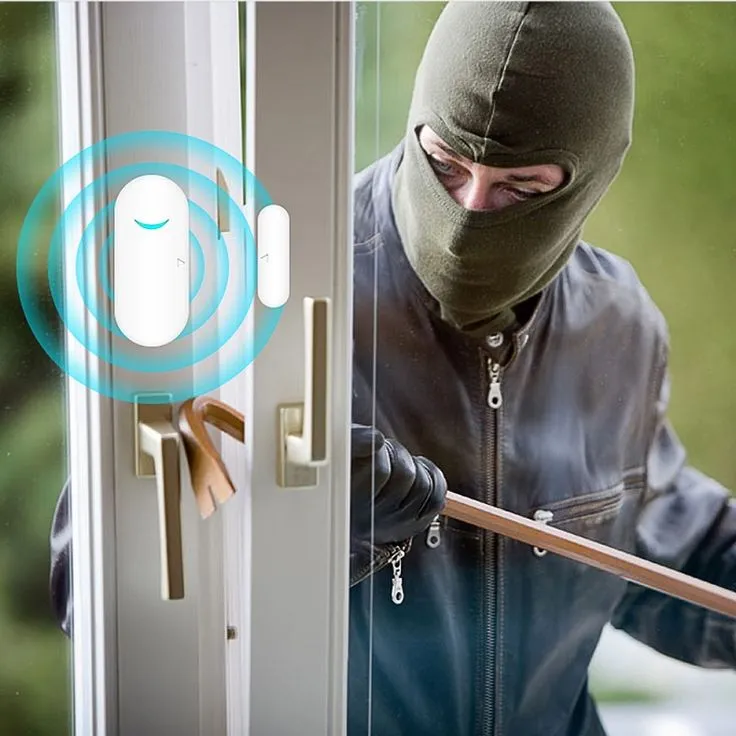
A house can look secure from the street while still having overlooked entrances, awkward blind spots or unreliable ways of detecting unexpected activity. Choosing security equipment is therefore less about collecting the latest gadgets and more about understanding how people use the property. The most practical protection starts with a walkthrough of daily routines, including when residents leave, which doors are used most and where deliveries are received.
A Home security system with installation should be planned around those habits, so cameras, sensors and alerts support everyday life instead of creating constant interruptions.
Begin With the Places People Actually Use
Every property has a different pattern of movement. Some households enter through a side door rather than the front entrance. Others use a garage as their main access point or leave bicycles in an outbuilding. These details matter because a system focused only on the most visible entrance may miss areas that deserve attention.
Walk around the property during daylight and after dark. Notice where lighting is limited, which windows are accessible from ground level and whether tall hedges obscure the approach to a doorway. This exercise helps distinguish genuine concerns from features that merely sound impressive in advertisements.
Choose Layers Instead of One Standalone Device
Cameras, alarms, door locks and exterior lighting have different jobs. A camera may record an event, whereas a contact sensor can notify residents when a protected door opens. Good locks delay unauthorised access, and suitable lighting can make movement around entrances easier to observe.
Combining these measures is often more useful than expecting a single camera to prevent every problem. The aim is not to turn a home into a complicated control room, but to make sensible components work together.
Make the System Easy to Live With
A security setup that generates unnecessary alerts may eventually be ignored. Pets, passing vehicles, changing sunlight and regular household movement can all trigger poorly configured detection zones. Think about how the family will use the equipment before deciding which areas require motion alerts.
For example, night-time settings might protect the ground floor while allowing people to move upstairs. Households with shift workers may need flexible schedules, while visitors and carers may require a straightforward way to enter without creating confusion.
A Useful Pre-Installation Checklist
Before purchasing equipment or arranging fitting, write down the essential requirements. A short checklist can keep discussions focused on outcomes rather than technical jargon.
-
Identify the entrances and spaces that need monitoring.
-
Check broadband coverage in locations intended for connected devices.
-
Decide who should receive notifications and manage accounts.
-
Consider whether batteries or backup power will be needed.
-
Ask how footage is stored and how long it remains available.
-
Plan for routine testing, cleaning and future adjustments.
This preparation can also reveal where a simpler solution would be more appropriate than additional devices.
Understanding the Role of Wireless Alarms
A Wireless security alarm can be worth considering where running new cables would be disruptive, particularly in finished rooms or properties with awkward layouts. Wireless devices still require careful placement, compatible components and attention to battery condition. Signal strength and interference can affect communication, so a suitable design matters more than the word “wireless” on the packaging.
Alarms should be tested using the manufacturer’s instructions, and household members should know what different notifications mean. A system that is easy to arm, disarm and check is more likely to be used consistently.
Include Privacy and Digital Security
Connected security equipment can introduce risks beyond physical access. Use strong, unique passwords, enable available multi-factor authentication and keep device software updated according to manufacturer guidance. Limit access to recordings to people who genuinely need it.
Camera placement also deserves consideration. A domestic camera that captures neighbouring property or public space may involve additional data protection responsibilities. Position devices proportionately and check current UK guidance where necessary rather than assuming all household recording is exempt.
Review Protection When Circumstances Change
Security planning should not end on installation day. A converted loft, garden renovation or new home office may change which areas matter most. Even ordinary changes, such as climbing plants growing across a camera view, can reduce useful coverage.
Schedule occasional checks of recordings, alarm functions and notification settings. Keeping a simple record of faults and maintenance makes it easier to notice recurring problems and decide when professional help is sensible.
Conclusion
The most useful home security arrangements are those that fit naturally into daily life. A family returning late, a pet moving through the hallway or a visitor approaching the entrance should not create unnecessary confusion. Thoughtful equipment selection and clear operating routines make protection easier to manage. techtwins.co.uk covers installation services that homeowners can consider when planning their security arrangements. Rather than choosing devices solely for their features, households benefit from focusing on how effectively those devices address their particular concerns.
