
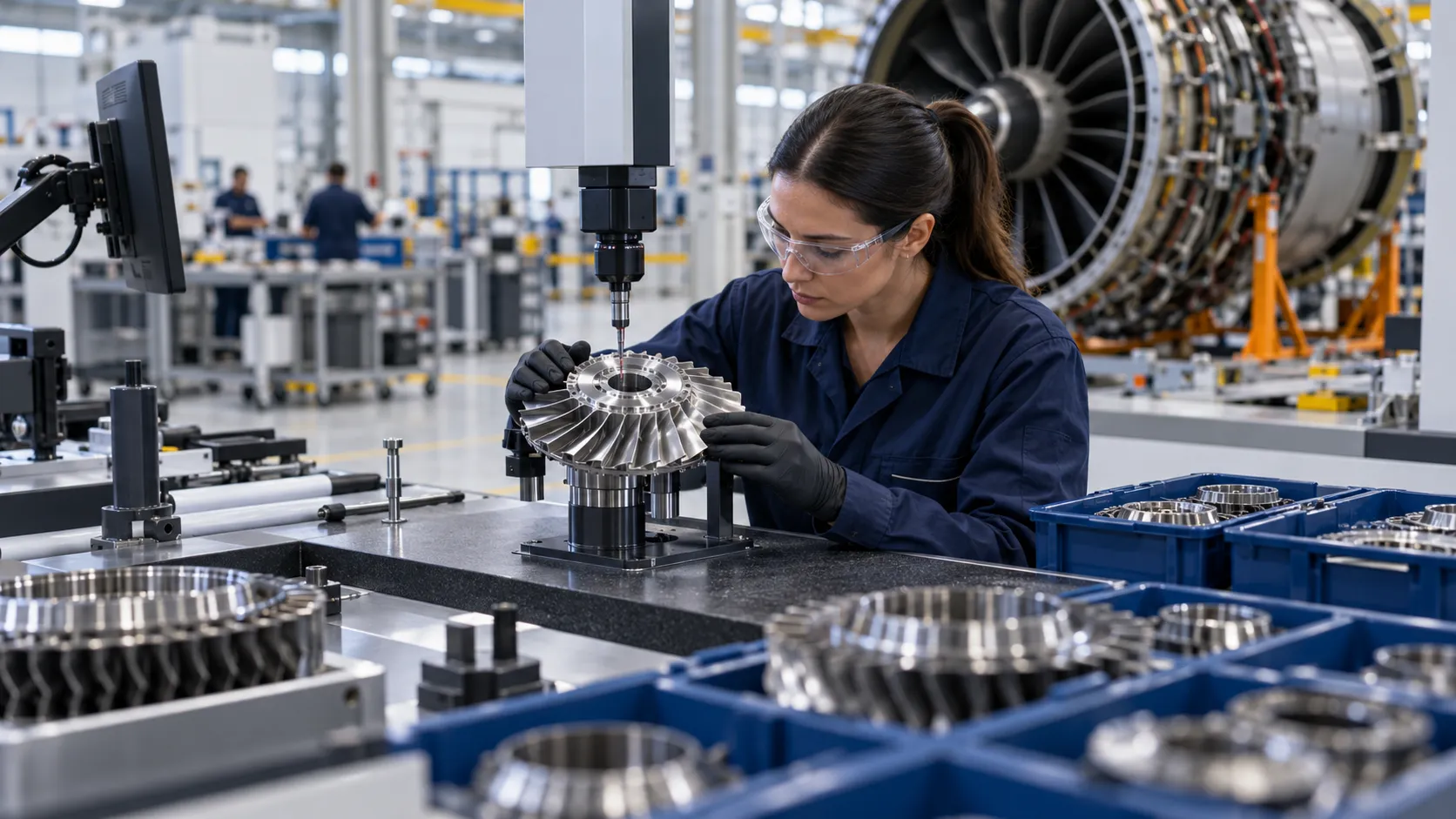
The defense and space manufacturing industry challenges facing modern manufacturers are becoming increasingly complex. Companies must produce highly engineered components while meeting strict safety, quality, cybersecurity, and regulatory requirements. At the same time, they are under pressure to shorten lead times, control costs, manage supply-chain disruptions, and maintain a skilled workforce. Overcoming these difficulties requires more than new machinery—it demands better processes, stronger operational discipline, and a clear improvement strategy.
Maintaining Quality and Regulatory Compliance
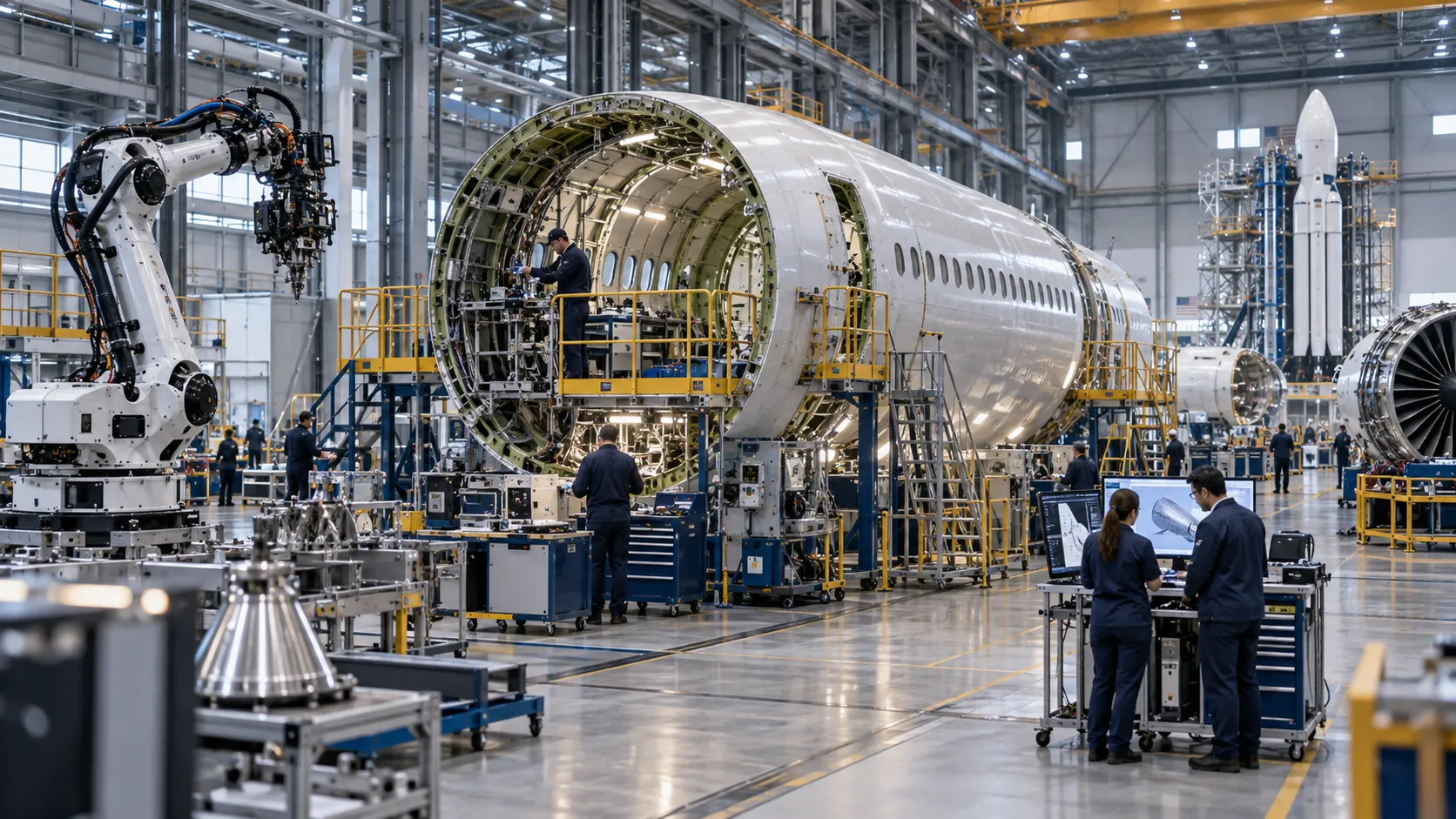
Aerospace and defense products operate in environments where even a minor defect can have serious consequences. Manufacturers must maintain tight tolerances, complete traceability, and accurate documentation throughout production.
Complex approval processes and frequent audits can slow operations when quality systems are disconnected from daily workflows. Organizations can improve performance by integrating quality controls directly into production, standardizing inspection procedures, and identifying defects as early as possible. This reduces rework while making compliance easier to manage.
Managing Complex Aerospace Supply Chains
Aerospace manufacturing relies on extensive networks of suppliers providing specialized materials, electronics, and precision components. A delay involving one critical part can interrupt an entire production schedule.
Manufacturers need greater visibility across their supply chains to manage long lead times, material shortages, and supplier risks. Practical improvements include:
- Classifying suppliers according to operational risk
- Monitoring the availability of critical components
- Establishing alternative sources for high-risk materials
- Improving communication between procurement and production teams
- Using demand forecasts to guide purchasing decisions
A more resilient supply chain allows manufacturers to respond faster when unexpected disruptions occur.
Addressing Aviation Component Production Challenges
Many aviation and aerospace component manufacturing industry challenges result from low-volume, high-complexity production. Components may require specialized materials, advanced machining, detailed inspections, and highly controlled assembly processes. Frequent engineering changes can create further delays if information does not reach operators quickly.
Standardized work instructions, visual management, and clear change-control procedures help reduce variation. Manufacturers should also evaluate production flow to identify unnecessary movement, waiting time, excess inventory, and recurring bottlenecks. Removing these inefficiencies can improve output without compromising product quality.
Closing the Skilled-Workforce Gap
Experienced engineers, machinists, inspectors, and technicians are essential to aerospace manufacturing. However, many companies struggle to recruit qualified workers and preserve knowledge when experienced employees retire.
Structured training and skills-development programs can help close this gap. Organizations should document critical procedures, create role-based training plans, and use cross-training to improve workforce flexibility. Digital work instructions can also make technical knowledge more accessible to employees on the production floor.
Technology should support skilled workers rather than simply replace manual tasks. Automation is most effective when applied to repetitive, hazardous, or highly measurable activities, allowing employees to focus on problem-solving and precision work.
Improving Productivity Through Operational Excellence
Digital tools, automation, and analytics can provide significant value, but technology alone cannot correct inefficient processes. Automating a poorly designed workflow may simply make existing problems happen faster.
Before investing in new systems, manufacturers should establish clear performance measures and identify the root causes of production losses. Lean manufacturing, preventive maintenance, reliable scheduling, and continuous-improvement practices can create a stable foundation for digital transformation.
Cross-functional collaboration is equally important. Engineering, quality, supply chain, maintenance, and operations teams must work toward shared objectives instead of solving problems independently.
Building a More Resilient Aerospace Operation
Aerospace manufacturers cannot eliminate every market, regulatory, or supply-chain challenge. However, they can build operations that respond to change more effectively. The strongest improvement strategies combine process discipline, workforce development, supplier resilience, quality management, and carefully selected technology.
Manufacturers should begin by identifying the issues that have the greatest impact on safety, delivery, cost, and customer satisfaction. They can then prioritize practical improvements, measure their results, and expand successful solutions throughout the organization.
By taking a structured approach, aerospace and defense manufacturers can reduce operational risk, strengthen production performance, and remain competitive in an industry where reliability and precision are essential.
