
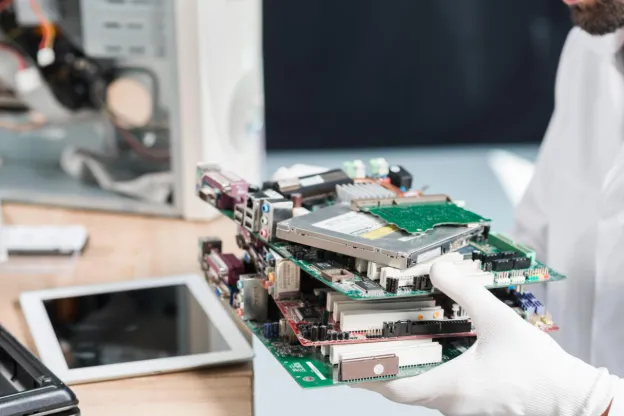
Modern businesses depend on electronic equipment to manage daily operations, communicate with customers, store information, and support employees. Computers, laptops, printers, servers, monitors, networking devices, and office appliances eventually become outdated or stop working. While replacing these devices may be necessary for business growth, getting rid of them requires more planning than simply placing them with general waste.
Improper handling of electronic equipment can create environmental hazards, increase security risks, and result in the loss of valuable recyclable materials. Businesses must therefore understand the right methods for managing old devices before disposing of them. Choosing professional electronic waste recycling companies can help organisations handle unwanted equipment safely, responsibly, and efficiently.
Why Old Electronic Devices Require Special Handling
Electronic devices contain a combination of plastics, metals, glass, batteries, circuit boards, and other components. Some of these materials can be recovered and reused, while others may contain hazardous substances that should not enter regular waste streams.
When electronic equipment is sent to landfills or handled by unqualified waste collectors, harmful substances may contaminate soil and groundwater. Improper dismantling can also release toxic materials into the air, creating risks for workers and surrounding communities.
In addition to environmental concerns, old electronic devices may still contain business information. Even equipment that appears unusable can store confidential files, passwords, customer details, financial documents, and internal communications. This makes responsible disposal an important operational and security decision.
Create an Inventory Before Disposal
Before removing old electronics, businesses should prepare a detailed inventory of the equipment they no longer need. The inventory should include the type of device, quantity, condition, location, and whether it contains storage components.
This process helps companies identify which items can be reused, refurbished, donated, resold, or sent for recycling. It also prevents useful equipment from being discarded unnecessarily.
An organised inventory is especially important during office relocations, company closures, technology upgrades, and large-scale IT replacements. It allows businesses to track their assets and maintain better control over the disposal process.
Protect Sensitive Business Data
Data security should be one of the top priorities when disposing of electronic equipment. Computers, hard drives, smartphones, servers, and USB devices may contain sensitive information even after files have been deleted.
Simply moving files to the recycle bin or performing a standard reset may not completely remove data. Businesses should use secure data-wiping methods or physical destruction where necessary. The right approach depends on the type of device, the sensitivity of the information, and the company’s internal security policies.
Professional recycling providers may offer secure data destruction and documentation to confirm that storage devices have been handled appropriately. This can help businesses reduce the possibility of data breaches, legal complications, and reputational damage.
Separate Reusable Equipment from Damaged Devices
Not every old electronic device needs to be recycled immediately. Some equipment may still be functional or may only require minor repairs. Businesses should assess whether devices can be upgraded, refurbished, reused internally, donated, or transferred to another department.
Extending the useful life of electronics reduces waste and maximises the value of the original investment. Devices that cannot be reused should be separated and sent to suitable recycling facilities for proper processing.
This approach supports a more sustainable business model by ensuring that equipment is not discarded before all practical reuse options have been considered.
Understand the Recycling Process
Professional e-waste management usually involves several important stages. First, electronic equipment is collected and transported safely to a suitable processing facility. The devices are then inspected, sorted, and categorised according to their condition and material composition.
Reusable items may be refurbished, while non-functional devices are dismantled. Materials such as metals, plastics, glass, and circuit board components are separated for recovery. Hazardous parts, including certain batteries and chemical-containing components, are handled through specialised processes.
Working with experienced electronic waste recycling companies ensures that old equipment is processed through responsible channels rather than being dumped, exported improperly, or dismantled under unsafe conditions.
Why Dubai Businesses Need Professional E-Waste Services
Dubai’s fast-growing business environment means that companies regularly upgrade their technology and replace outdated equipment. Offices, schools, hotels, healthcare facilities, retail businesses, and industrial organisations may generate significant amounts of electronic waste.
Professional e-waste recycling companies in Dubai help businesses manage these materials through structured collection, sorting, recycling, and disposal services. Professional support is particularly useful when companies need to clear large quantities of equipment within a limited time.
Businesses should avoid handing electronic waste to informal collectors without understanding how the devices will be processed. Choosing a reliable provider helps ensure environmental responsibility, better documentation, and safer handling of sensitive equipment.
Reduce Environmental Impact and Resource Waste
Responsible e-waste recycling offers clear environmental benefits. Electronic products contain valuable resources such as copper, aluminium, steel, gold, silver, and other recoverable materials. Recycling these components reduces the demand for mining and lowers the energy required to produce new materials.
Proper recycling also reduces landfill waste and prevents hazardous substances from entering natural ecosystems. By recovering materials from old devices, businesses contribute to a circular economy in which resources remain useful for longer periods.
Sustainable disposal practices can also support corporate environmental goals and improve a company’s reputation among customers, employees, investors, and business partners.
Choose the Right Recycling Partner
Before selecting a recycling provider, businesses should evaluate the company’s experience, collection process, recycling methods, data security practices, and ability to manage different types of electronic equipment.
A reliable provider should offer clear information about how devices will be transported, processed, and recycled. Businesses should also ask whether the provider can issue collection records, recycling certificates, or data destruction confirmations when required.
The right partner should be capable of handling both small collections and large-scale corporate clearances. Transparent processes and responsible disposal methods help businesses remain confident that their electronic waste is being managed correctly.
Conclusion
Getting rid of old electronic devices is not simply a matter of clearing storage space. Businesses must consider environmental protection, data security, asset recovery, and responsible resource management before disposing of unwanted equipment.
From creating an inventory and protecting sensitive data to separating reusable devices and choosing qualified recycling professionals, every step contributes to safer e-waste management. For organisations looking for dependable e-waste recycling companies in Dubai, Planet Green offers responsible solutions that support secure collection, efficient recycling, and environmentally conscious disposal. By adopting better e-waste practices, businesses can reduce risks, recover valuable resources, and contribute to a cleaner and more sustainable future.
