
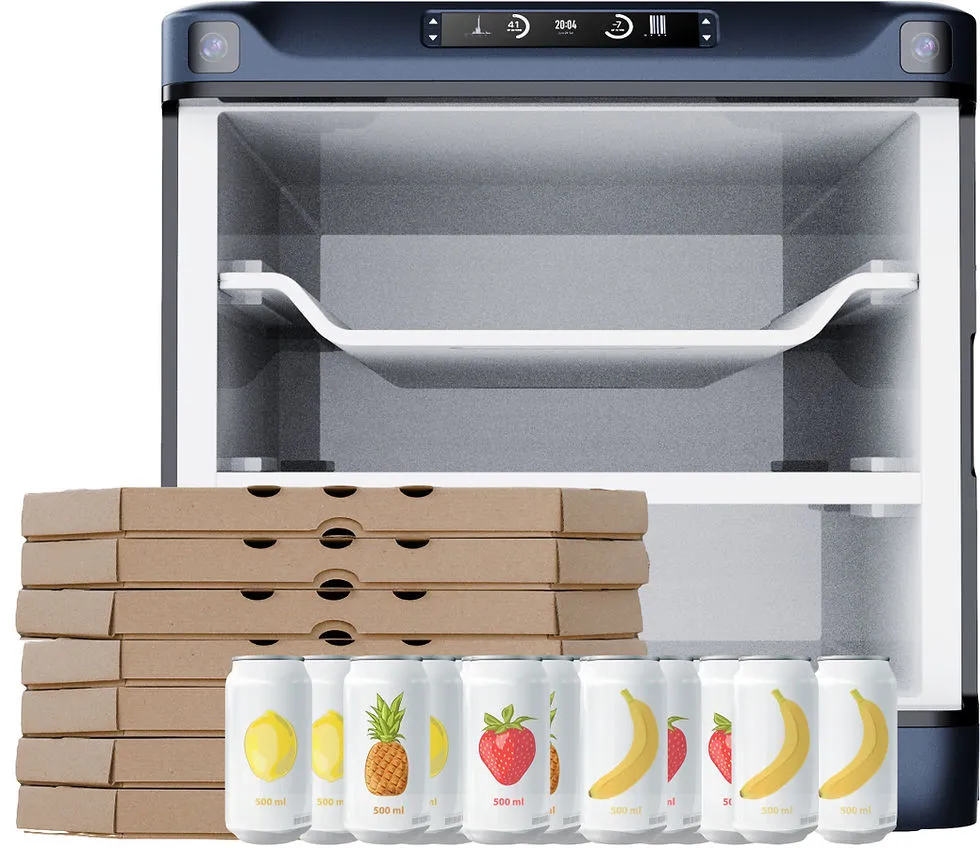
Cloud kitchens have become a major part of India’s growing food delivery ecosystem. While they offer operational efficiency and scalability, they also face challenges related to food quality and wastage during delivery. Delayed deliveries, temperature fluctuations, and rejected orders can all contribute to unnecessary losses. To address these issues, many operators are exploring Smart Delivery Boxes For Food that help maintain product quality during transit. As competition increases, reducing food waste is becoming an important priority for cloud kitchen businesses.
Understanding Food Wastage in Cloud Kitchen Operations
Unlike traditional restaurants, cloud kitchens depend entirely on delivery services to connect with customers. This creates additional risks because food must travel from the kitchen to the customer while maintaining quality and freshness.
Several factors contribute to food wastage:
-
Temperature fluctuations during delivery
-
Delayed transportation
-
Improper food storage
-
Packaging failures
-
Customer order rejections
Even when meals are prepared correctly, delivery-related issues can negatively impact food quality and increase waste.
As order volumes grow, reducing these losses becomes increasingly important for profitability and customer satisfaction.
Why Delivery Conditions Matter
Many food items are highly sensitive to temperature changes. Hot meals can lose heat, frozen products can begin to thaw, and cold beverages can warm during transportation. These changes may affect taste, texture, and overall quality.
For cloud kitchens, maintaining proper delivery conditions is essential because customers evaluate the entire experience, not just the food itself.
Poor delivery outcomes often lead to:
-
Increased refund requests
-
Food replacements
-
Higher operational costs
-
Reduced customer retention
Protecting food quality during transit helps minimize these challenges and supports more sustainable business operations.
The Role of Smart Delivery Technology
Traditional insulated bags provide some level of protection, but they may not always be sufficient for complex delivery requirements. Modern delivery solutions are designed to provide better temperature management and support a wider variety of food products.
Smart delivery systems can help cloud kitchens:
-
Maintain food quality for longer periods
-
Reduce spoilage during transit
-
Improve customer satisfaction
-
Support operational consistency
-
Minimize unnecessary food waste
These advantages become particularly valuable as cloud kitchens expand into multiple brands and larger delivery territories.
Managing Multiple Food Categories Efficiently
Many cloud kitchens operate several virtual restaurant brands from a single facility. A single order may include products with very different temperature requirements.
For example:
-
Pizza and burgers require heat retention.
-
Desserts often need cooler conditions.
-
Frozen products require low temperatures.
-
Beverages may need separate storage environments.
Managing these diverse requirements can be challenging using conventional delivery methods.
This is where a Smart Box with Omnibus zones can provide practical benefits by supporting multiple temperature environments within a single delivery system. By accommodating different food categories simultaneously, cloud kitchens can improve delivery efficiency while helping preserve product quality.
Supporting Sustainable Food Delivery Practices
Reducing food waste is not only a financial priority but also an environmental responsibility. Food waste contributes to unnecessary resource consumption, including energy, water, packaging materials, and transportation costs.
By improving temperature management and reducing rejected deliveries, cloud kitchens can help lower their overall waste levels.
Benefits may include:
-
Better resource utilization
-
Reduced replacement orders
-
Lower operational losses
-
Improved customer trust
-
More sustainable business practices
As sustainability becomes increasingly important to both businesses and consumers, reducing waste can provide both operational and reputational advantages.
Preparing for the Future of Food Delivery
India’s food delivery market continues to expand, creating new opportunities and new challenges for cloud kitchen operators. As customer expectations rise, businesses must focus on preserving food quality throughout the entire delivery journey.
Investing in smarter delivery infrastructure can help cloud kitchens remain competitive while improving efficiency and customer satisfaction. Solutions that support temperature management and food preservation are likely to become increasingly valuable as the industry evolves.
Conclusion
Food wastage remains a major concern for cloud kitchens operating in India’s rapidly growing delivery market. While factors such as preparation and storage play important roles, delivery conditions often have a direct impact on food quality and customer satisfaction. Smart delivery technologies can help address these challenges by improving temperature management and reducing product spoilage during transit. As cloud kitchens continue to scale their operations, investing in better delivery solutions can support both profitability and long-term sustainability.
