
Pharmacy shelves and online stores stack dozens of intimate wipes side by side, each one promising freshness, protection, and comfort. If you search for antibacterial vaginal wipes in the UAE, you meet a wall of near-identical packaging, bold claims, and ingredient names you don’t recognise. Most shoppers grab the prettiest box or the loudest promise on the front. The real answer sits on the back label, in the ingredient list and the fine print, waiting for anyone who knows where to look.
Why the Label Matters More Than the Marketing
Brands compete on shelf appeal. Words like “gentle,” “natural,” and “pH-balanced” sit on almost every box, regardless of the formula inside. These words carry no legal definition in most markets, so two products with the same claim on the front can differ completely on the back.
The real story sits in three places: the ingredient list, the pH value, and the certification marks. Anyone who checks these three sections before checking price or scent avoids most of the disappointment that comes with an intimate product that irritates rather than soothes.
Reading the Ingredient List Correctly
Ingredients are generally listed in descending order of concentration, so the opening ingredients reveal what dominates the formula. Pay attention to the first few components, especially fragrances, alcohols, or potentially irritating ingredients, before choosing intimate wipes.
Shoppers should look for:
● Water as the base, listed first on almost every wipe.
● A mild, low-irritation surfactant rather than harsh detergents.
● A humectant such as glycerin, which keeps skin hydrated.
● A preservative system that controls bacterial growth without drying skin.
● Fragrance listed near the bottom, or absent entirely, for sensitive users.
Watch for alcohol, parabens, or synthetic fragrances high on the list. Overly complex formulas may also increase irritation risks, making simpler ingredient lists preferable for sensitive intimate areas.
Understanding pH Claims
Healthy vaginal skin sits in a slightly acidic range, generally between 3.8 and 4.5. A wipe labelled “pH-balanced” should match this range, not the neutral pH of 7 found on standard skin-care products. Few brands print the actual number on the box, so a shopper without that figure should look for lab-tested confirmation on the brand website or product insert rather than trust the phrase alone.
This distinction matters for anyone comparing antibacterial vaginal wipes in the UAE against standard baby or hand wipes repackaged for intimate use. A wipe formulated for facial or hand skin, even one marketed as gentle, sits at a pH far too high for regular intimate use and disrupts the natural bacterial balance over time.
Spotting Misleading Antibacterial Claims
“Antibacterial” may sound reassuring, but the claim can mean different things. Some wipes contain tested antibacterial agents targeting specific bacteria, while others use the term loosely. A preservative may protect the product from contamination without providing meaningful antibacterial protection on the skin. Always check the active ingredients and supporting claims rather than relying on the label alone.
Shoppers should look for one of these markers before trusting an antibacterial claim:
● A named active ingredient with documented antibacterial properties.
● Reference to a specific test standard or clinical trial.
● A percentage or concentration figure rather than a vague statement.
● Third-party lab verification, not only an internal company claim.
Certification bodies such as KBS Certification Services Ltd can help verify whether product claims and manufacturing processes meet recognised standards, giving consumers greater confidence than packaging claims alone.
Checking for Dermatologist and Gynaecologist Endorsements
Many intimate care brands print “dermatologist-tested” or “gynaecologist-approved” on the front of the box. These phrases carry weight only when the brand names the testing body or clinical partner behind the claim. A brand confident in its formula usually shares this detail on the packaging or website without hesitation.
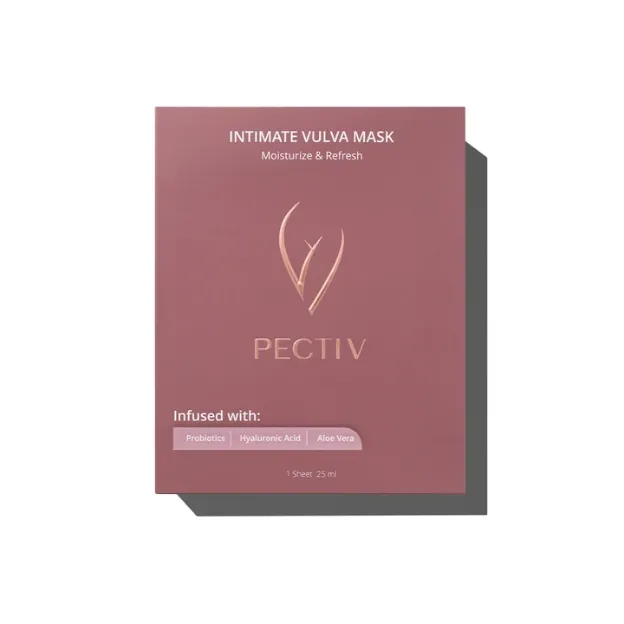
Pectiv, a UAE-based feminine care brand, builds its product pages around this level of detail, listing formulation notes and safety information alongside each wipe and pad in the range. Shoppers comparing several brands benefit from checking whether a similar level of transparency exists before adding a product to the cart.
A Quick Checklist Before Buying
Before choosing intimate wipes, take a moment to check the label and product claims. This simple checklist can help you make a more informed choice:
1. The ingredient list starts with water and mild, low-irritation components.
2. Fragrance sits low on the list or does not appear.
3. The pH falls in the 3.8 to 4.5 range for intimate-specific use.
4. Any antibacterial claim references a named active ingredient or test.
5. A certification mark or named testing partner backs up front-of-pack claims.
This five-point check takes under a minute once a shopper knows where to look, and it turns label reading from a chore into a habit worth keeping for every future purchase.
Conclusion
Comfort, safety, and genuine antibacterial protection come from formula quality, not from how loud a claim sounds on the front of the pack. Shoppers hunting for the best intimate wipes save time and money by trusting the ingredient list and certification marks over adjectives printed in bold font. A short pack of wipes bought for travel, daily hygiene, or post-workout freshness works best when the formula matches the skin it touches, not when the packaging matches the trend of the season. Building this habit pays off beyond one purchase. Reading labels carefully trains a shopper to spot the same marketing patterns across period pads, liners, and other personal care products, turning every future shopping trip into a faster, more confident decision backed by facts rather than font size.
PECTIV is a UAE-based feminine care brand offering period pads, liners, and intimate wipes formulated with safety and comfort in mind. Their product pages list formulation notes, ingredient details, and safety information for each item. Backed by gynaecologist input and hypoallergenic testing, PECTIV positions itself around transparency rather than vague marketing claims.
